Anúncios
Protein is one of those things I always hear about from people who want to lose weight. “Eat more protein, you’ll feel full,” they say. It turns out, there’s a lot of truth behind that advice. But what if you aren’t keen on animal products, or maybe you simply want to try a new way of eating? In my own search for answers, I found that plant-based protein isn’t just for vegetarians—it’s something everyone looking to manage weight can benefit from.
Plant-based proteins are more powerful than most people realize.
In this article, I’ll break down what plant-based proteins do for weight loss, which foods are best, and practical ways to make them part of everyday meals. Whether you’re a beginner or just need inspiration, my own experiences may help you discover options you haven’t tried.
Why does protein help with weight loss?
Before we talk about sources, it helps to understand what protein does when it comes to getting to and keeping a healthy weight. I’ve found that eating enough protein can:
Anúncios
- Help you feel full after eating
- Slow digestion and reduce cravings
- Support muscle maintenance while losing fat
- Keep energy steady over the day
Protein is an ally because it takes more energy to digest than carbs or fats, which means your body burns more calories after meals. You lose weight by eating fewer calories than you burn, but getting enough protein helps you keep muscles, which is important for how your body looks and feels.
What’s different about plant-based proteins?
Plant-based protein comes from foods like beans, lentils, peas, seeds, nuts, grains, and some vegetables. I often hear that plant protein is “less complete” than animal protein. That’s a little misleading.
Anúncios
Most plant sources don’t provide all nine amino acids your body needs in one serving, but pairing different foods makes up for that. For example, rice and beans together form a “complete” protein. Oats can be paired with nuts or soy milk. In daily life, variety is the real key.
Top plant-based protein sources for weight loss
Over the years, I’ve tried many kinds of plant-based protein. Some really stand out when weight loss is the goal. These are the foods I return to the most—they fill me up, taste great, and mix easily into everyday meals.
1. Lentils
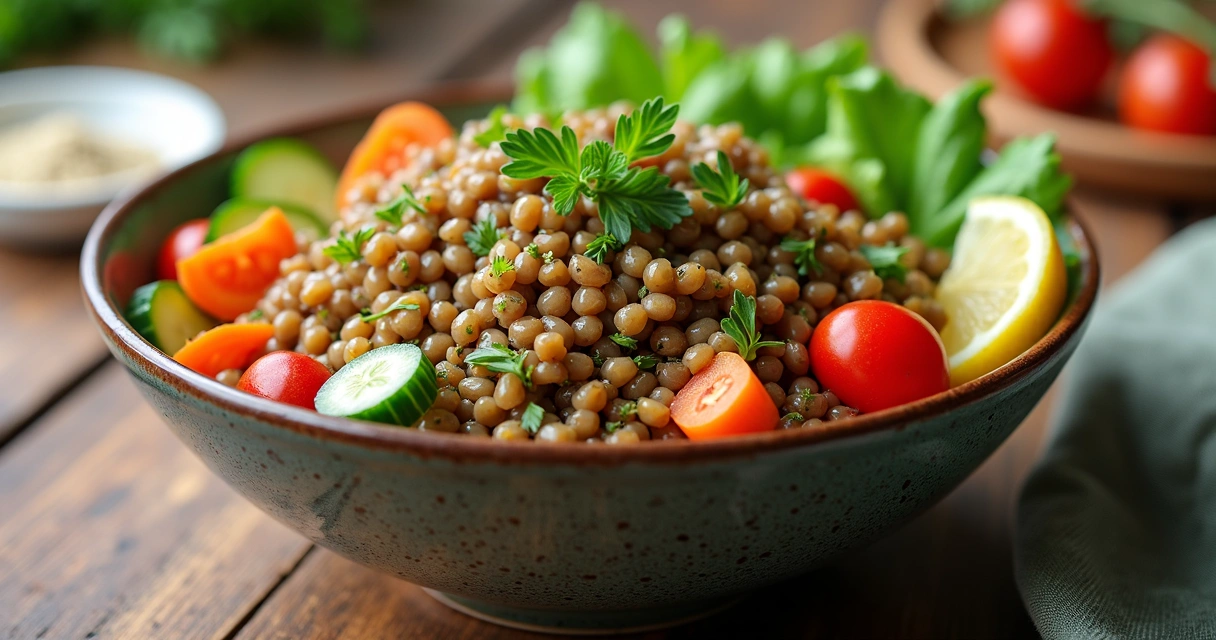
I think lentils are hard to beat. Just one cup of cooked lentils packs around 18 grams of protein and lots of fiber. This keeps me full after a meal for hours. Lentils are easy to add to soups, salads, or veggie stews.
2. Chickpeas
Chickpeas, or garbanzo beans, are another staple. A cup has about 15 grams of protein. I make a quick roasted chickpea snack for busy days or toss them on my salads. They’re also the key ingredient in hummus, which I love as a spread or dip.
3. Black beans and kidney beans
I reach for black or kidney beans when making chili or tacos. Not only do they offer 14-15 grams of protein per cup, but they also have a deep and rich taste. Pair them with brown rice for a balanced meal.
4. Tofu
Tofu is made from soybeans and is highly versatile. With about 10 grams of protein in half a cup of firm tofu, it can take on almost any flavor. I often cube it and sauté it with vegetables or use it in noodle bowls.
5. Tempeh
Tempeh is a fermented soybean patty with more protein than tofu—about 15 grams per half cup. It’s got a chewy texture I really appreciate. Sliced tempeh makes a good sandwich filling or stir-fry ingredient.
6. Quinoa
Quinoa is a rare grain that supplies all nine essential amino acids in one food, which makes it a “complete” protein. One cup of cooked quinoa brings about 8 grams of protein, making it my go-to for grain salads or alongside roasted veggies.
7. Edamame
Edamame, or young soybeans, have around 17 grams of protein per cup. I steam them for a simple snack or add them to salads and rice dishes. If you like crisp, fresh flavors, give these a try.
8. Nutritional yeast
This might sound strange if you haven’t tried it, but nutritional yeast (the yellow flake thing vegans often rave about) clocks in at about 8 grams of protein in just two tablespoons. I sprinkle it on popcorn, pasta, or veggies for a cheesy, nutty flavor.
9. Seeds: Hemp, chia, and pumpkin
I like to rotate between different seeds:
- Hemp seeds: 9 grams protein in 3 tablespoons. I add them to oatmeal, smoothies, or yogurt.
- Chia seeds: 5 grams protein in 2 tablespoons. Best soaked in plant milk for a pudding.
- Pumpkin seeds: 7 grams in a 1-ounce handful. Great for snacking or tossing on salads.
Seeds add protein, plus healthy fats and minerals like magnesium that your body needs.
10. Nuts: Almonds and peanuts
Almonds and peanuts are easy to snack on and can fit into most eating styles. An ounce (about a small handful) has around 6 grams of protein. I find that nut butters also work well on toast, apples, or stirred into oats. Just be mindful of portion sizes if you’re calorie-conscious.
How to include plant-based proteins throughout the day
One challenge I faced early on was figuring out how to get enough protein at each meal—not just dinner. Here are some ways I’ve managed to make it work:
- Breakfast: Blend tofu or plant-based milk into smoothies. Top oatmeal with hemp, chia, or nut butters.
- Lunch: Add beans or lentils to salads. Layer hummus or leftover roasted veggies in wraps.
- Snacks: Enjoy roasted chickpeas, nuts, or homemade trail mix with seeds.
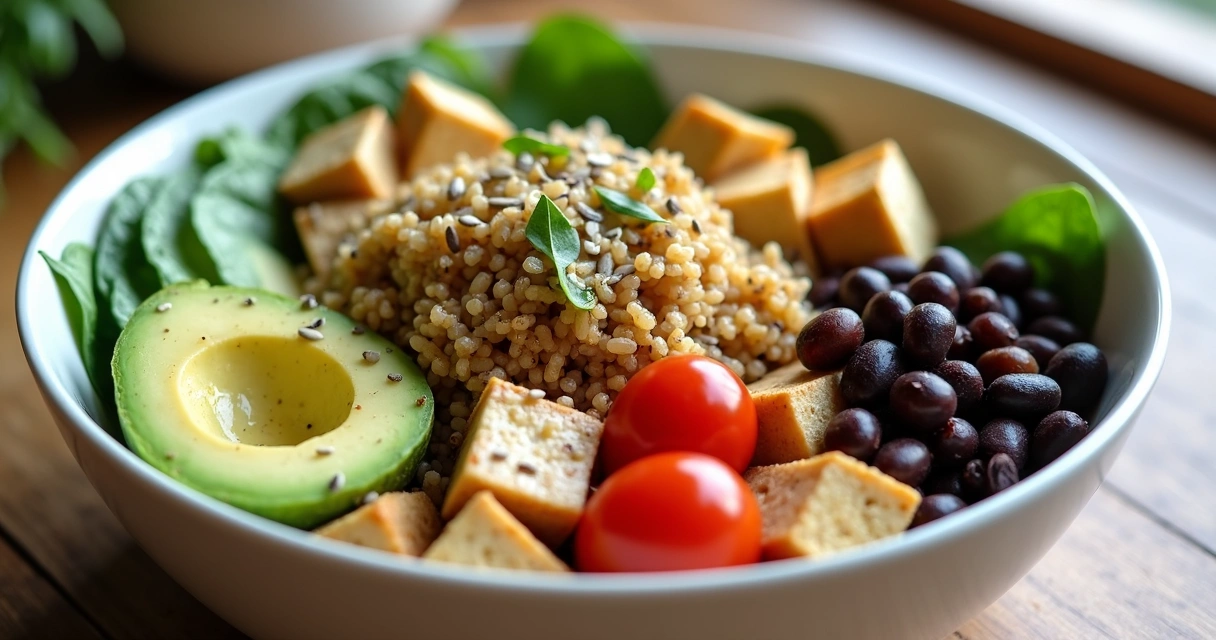
- Dinner: Make stir-fries with tofu or tempeh. Serve bean and veggie stews, or try a grain bowl with lots of toppings.
The real benefit of plant protein is how it fits in so many ways, whether you cook from scratch or prefer quick meals.
Tips for making plant proteins part of a weight loss plan
I like to keep things realistic. Weight loss works best with healthy habits you can stick to, so here’s my short list from personal experience:
- Include protein at every meal and snack for fullness and energy.
- Pair protein-rich foods with veggies, fruits, and whole grains for balance.
- Watch serving sizes for energy-dense foods like nuts and seeds.
- Try new recipes—taste is a big part of eating well for the long run.
- Plan ahead when you can. Keep cooked lentils, beans, or tofu on hand for quick meals.
What about protein powders?
I sometimes get questions about whether plant-based protein powders help with weight loss. While I’ve used them on occasion, I find whole foods more satisfying and filling. Powders may help boost protein intake for people with very busy lives, or those who find it hard to reach their target with food alone. If you do use a powder, look for simple ingredients and aim to mix with fruits and some healthy fat, like nut butter.
Common questions about plant-based protein and weight loss
Can you get enough protein from plants?
You can absolutely get enough protein from plants if you eat a wide range of beans, legumes, tofu, tempeh, whole grains, seeds, and nuts. I’ve kept up healthy protein levels for years this way.
Will eating more plant protein help you lose weight faster?
There’s no magic shortcut, but higher protein diets, even from plant sources, can help manage hunger and cravings. They work best as part of a plan with exercise and smart food choices. Slow, steady progress tends to stick.
Do you have to be vegan or vegetarian?
Not at all. In my view, adding more plant-based proteins works for anyone, no matter your main eating style. You don’t have to give up animal foods unless you want to.
In summary
From my own journey and many conversations with others, I’ve seen that plant-based proteins are practical and realistic for losing weight and feeling strong. Foods like lentils, beans, tofu, tempeh, quinoa, edamame, nuts, and seeds all play their part.
You can change your meals, one plant protein at a time.
Learn to enjoy these foods, and you may find the scale moves in the direction you want—along with better energy and a fresh feeling about food.