Anúncios
Before smartphones and tablets became extensions of our lives, I hardly thought about light except maybe when I needed to read by the window or struggled to fall asleep with the lights too bright. These days, though, blue light is a phrase that seems to follow me everywhere. Sometimes, I catch myself wondering how something as simple as light could create such noise in science and in daily chatter. Am I just late to notice, or is this problem larger than I realized?
Why everyone is talking about blue light
Whenever we talk about screens, the conversation quickly lands on blue light. But what is blue light, really? It’s not just a buzzword. I remember staring at my phone in bed, unable to sleep, and reading headlines about blue light damaging eyesight and disrupting the mind. Was it hype, or were these warnings grounded in science?
I decided to do some research. To my surprise, blue light is a high-energy visible wavelength in the light spectrum, very close to UV light, which is why it gets so much attention. Most of our devices—phones, screens, LED lights—fill our eyes with it, especially when the sun goes down, right when our bodies crave darkness.
Anúncios
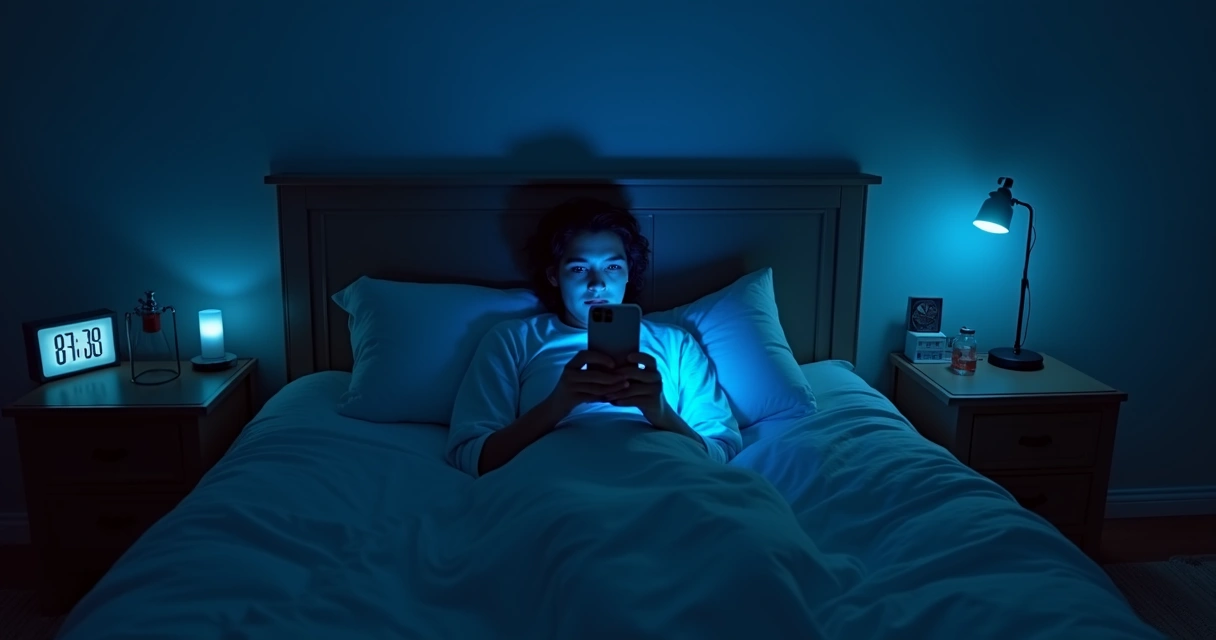 How blue light interacts with the body
It’s strange to think our bodies care about light color, but they do. I’ve noticed sometimes after working late at my computer, my mind feels jumpy. It turns out, light interacts with us on a deep, almost primitive level. There’s a hormone at play called melatonin. At night, our brains release melatonin to signal sleep time. But blue light? It confuses this process.
Blue light signals the brain to stay awake.
This isn’t always a bad thing. In the morning, natural blue light from the sun actually wakes us up—this is healthy and natural. But the problem begins when our exposure to blue light continues into the evening. I remember struggling to unwind after a day full of emails and scrolling. As I read more, it became clear: exposure to blue light at night delays melatonin release, tricking us into feeling more alert than we should.
Anúncios
Sleep, blue light, and the digital trap
After surveying friends, one thing stood out. Most of us check our phones or watch shows before we sleep, thinking of it as relaxation. But is it really? The blue light from our screens isn’t just gentle background noise. At night, blue light from screens reduces sleep quality by delaying when we fall asleep and making it harder to stay asleep.
- It makes our brains think it’s daytime
- It delays the feeling of sleepiness
- It can even shift our internal clock—our circadian rhythm
This isn’t an isolated story. I started to notice that on nights I watched a movie, I’d toss and turn far longer. If I stopped, I’d sleep deeper. These patterns felt too precise to chalk up to chance. Sometimes, I almost blamed my pillow, but now I wonder if it was the light staring back at me instead.
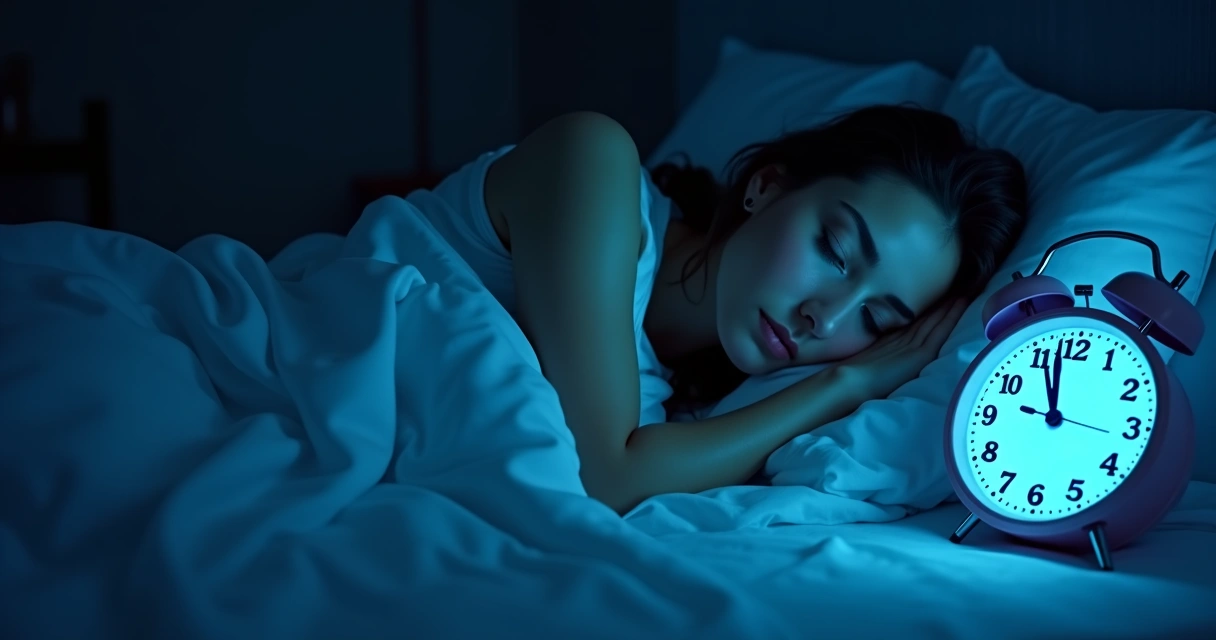 Does blue light affect anxiety?
The connection between light and our minds is more tangled than I once thought. Naturally, I started asking myself if blue light played a role in anxiety. I’ve felt edgy after nights buried in social feeds or news, often with a glow in my face long after sunset. Maybe this wasn’t just digital overload. Maybe the light itself had a hand in the feeling.
Recent studies suggest blue light exposure, particularly at night, may heighten anxiety symptoms in some people. It’s not so much the light causing anxiety directly, but the way it disrupts sleep. Poor sleep increases stress. Panic and worry come easier when we’re tired. Lack of sleep often leaves us more sensitive to stress and our emotions are more raw.
I find this convincing. Looking back, I see a pattern: light-filled nights, restlessness, and then anxious mornings. Not every evening, but enough to make me rethink how I use my devices.
The science behind blue light’s effects
If you’re like me, you want to know if there’s hard evidence or if this is just one more passing health worry. From what I learned, blue light impacts additional brain processes:
- Blue light suppresses melatonin, making it harder to fall asleep and sleep deeply.
- Chronic poor sleep can raise stress and worsen anxiety.
- Some research hints at direct effects of blue light exposure on the nervous system, though this is still debated.
It all paints a picture that’s hard to ignore. The digital world is here to stay, but maybe screens deserve a little more caution, especially after dark.
Is all blue light bad?
Sometimes I feel the conversation is a little one-sided. Is blue light always harmful? Actually, blue light has natural benefits—during the day.
- It boosts attention and mood
- Helps our memory
- Improves reaction time
Blue light is natural and needed, but timing is everything.
It’s only after sunset that problems begin. I try to keep this in mind before swearing off screens completely. The goal isn’t fear, but balance.
How to protect your sleep and mind
So what can we do? I’ve tested a few practical changes over the past months—not perfectly, but enough to notice real differences. Here’s what helped:
- Keep screens away from the bed, especially one hour before sleep. I know this sounds difficult, but the effect is real. When I read a book or dim the lights instead, falling asleep gets easier—almost magically so some nights.
- Use night mode settings on your devices. These modes change the colors on your screen in the evening, making them warmer and reducing blue light. It won’t block all blue light, but every little bit helps.
- Install dim lighting at night. Warm and soft light is friendlier to your internal clock.
- If you must use screens at night (sometimes I can’t avoid it), keep brightness to a minimum, and try to take short breaks to let your eyes rest.
- Follow a wind-down routine: gentle stretching, low lights, soft music, or something else relaxing. I found a warm shower helped me shift out of “day mode” and into “night mode.”
- Get natural sunlight early in the morning. This tells your body it’s time to be active and seems to reduce the impact of blue light later.
After a few weeks of putting these in place, I felt lighter. Not every day went perfectly, but my mind grew calmer at night. And I started sleeping more soundly.
 Should you try blue light glasses?
I get this question from friends a lot. Do blue light glasses solve the problem? Some people love them. I’ve tried a pair and noticed less squinting at night. Still, the scientific jury is partly out—it seems most of their effect may come from a combination of reduced glare and a bit less blue light. If you feel tired after screen time, they might help as part of a broader approach. I wouldn’t rely on glasses alone, though. Simple habits seem to matter more for restful sleep.
The conclusion on blue light, sleep, and anxiety
If you’re worried about blue light, you’re not alone. I’ve run through long evenings with glowing screens, wrestling with sleep, and battling anxious mornings. The evidence now feels hard to ignore: blue light impacts sleep and, in turn, can nudge anxiety higher for many of us. This isn’t fearmongering—it’s just a new reality in our screen-filled lives.
Still, I don’t believe in banning all technology after dark. What works for me has been small, steady changes: less screen time before bed, warmer lights, simple wind-down routines, and spending early morning moments outside. The effects were subtle at first, then unmistakable.
Balance your light, and your nights change.
If you’re feeling tired or jumpy, try adjusting when and how you meet the blue glow.
Frequently asked questions
What is blue light?
Blue light is a part of the visible light spectrum with short, high-energy wavelengths just below ultraviolet light. It’s found in natural sunlight but also produced by digital screens and LED lighting.
How does blue light affect sleep?
Blue light exposure at night suppresses melatonin production, the hormone that signals your body it’s time to sleep. This means falling asleep later, experiencing lighter sleep, and sometimes waking up less refreshed.
Can blue light increase anxiety?
Blue light itself may not directly cause anxiety, but disrupted sleep from nocturnal blue light can make anxiety symptoms worse. Poor rest leaves us more vulnerable to stress, worry, and emotional ups and downs.
How to reduce blue light exposure?
You can:
- Avoid screens one hour before bedtime
- Use night mode or blue light filters on your devices
- Lower room lighting and choose warm-toned lights at night
- Keep screen brightness at a minimum after sunset
- Make morning sunlight part of your daily routine
All these steps help your brain maintain its natural sleep-wake cycle.Are blue light glasses worth it?
Blue light glasses might help reduce some glare and a little blue light, which may ease eye strain for some people. Most benefits seem mild, but if you spend lots of time with screens at night, they could be worth trying as part of healthy evening habits.