Anúncios
For much of my adult life, I’ve talked about dieting with friends, watched countless trends come and go, and seen people struggle with their weight. There’s something I keep noticing: a lot of the trouble comes from common myths that sound convincing, but just don’t hold up. When these beliefs start guiding choices, weight loss often gets tougher, not easier. In this article, I’ll share some of the myths I’ve seen trip people up and offer ideas about what to look out for instead.
Why do diet myths matter?
At first glance, following a trendy piece of advice can feel motivating. Maybe it worked for someone else. Maybe it promises quick results. In my experience, though, these shortcuts can lead to frustration. They can even make healthy habits much harder to keep. Understanding and questioning popular diet myths is one of the best steps toward long-term success with weight loss.
Myth 1: Carbohydrates are always the enemy
Low-carb diets have enjoyed their moment in the spotlight, and I’ve seen the impact on how people talk about bread, rice, or even fruit. “Just cut out carbs,” some say, as if all carbohydrates lead to weight gain. But here’s what I’ve learned through research and experience.
Anúncios
- Not all carbs are created equal. Whole grains, fruits, and vegetables contain carbohydrates but are packed with fiber, vitamins, and nutrients.
- Refined carbs, such as white bread or sugary snacks, often provide less nutrition and are digested quickly. These are the ones to reduce.
- Completely cutting carbohydrates can lead to lack of energy and make exercise feel harder.
Instead of banning carbs, I prefer to focus on choosing complex carbohydrates and limiting highly refined products. That change alone can help with both losing weight and feeling well.
Myth 2: Skipping meals helps you lose weight faster
I know the logic: eat less, weigh less. But in practice, skipping meals usually backfires. I’ve met many people who try intermittent fasting, or simply skip breakfast to “save calories.” Here’s what tends to happen next.
Anúncios
- Hunger builds up, so it’s easier to overeat later in the day.
- Metabolism can slow down if the body thinks food is scarce, making it harder to lose weight over time.
- Skipping meals often causes mood swings or low energy, which ruins motivation for healthy living.
Eating regular, balanced meals helps keep hunger and metabolism steady, making weight loss attempts more realistic. For me, having predictable meals stopped those wild swings in willpower and cravings.
Myth 3: Certain “superfoods” will melt fat away
In my experience, there’s always a new “magic” ingredient hitting the headlines. Whether it’s a berry, oil, or exotic tea, promises of burning belly fat or speeding up metabolism are everywhere. While I do value some of these foods in my diet, it’s wishful thinking to expect one ingredient to undo years of habits.
- No food by itself can “melt” fat.
- Superfoods may offer nutrients, but they won’t guarantee weight loss if the overall diet is unbalanced.
- Placing all your hopes on a single food can distract from true healthy changes.
Eating a variety of fruits, vegetables, lean proteins, and whole grains does more for weight loss than relying on any one “miracle” food.
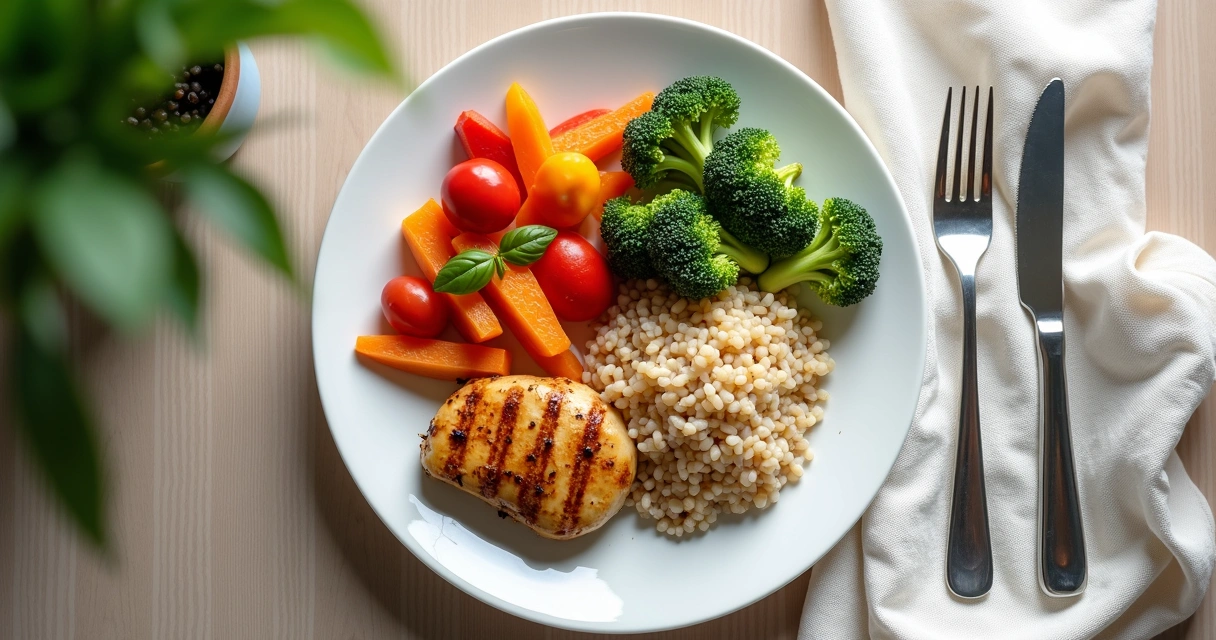
Myth 4: Fat-free or diet foods are always better choices
I admit, “fat-free” labels used to grab my attention, too. The marketing often implies that less fat always means healthier. But after years of paying attention to ingredient lists and nutrition science, I’ve learned that many fat-free or “diet” versions swap fat with extra sugar, salt, or artificial additives to make up for missing flavor.
- Fat is an essential nutrient, especially healthy unsaturated fats from foods like nuts, seeds, and avocados.
- Low-fat or fat-free processed foods may not be as filling, leading to extra snacking later.
- Reading the full nutrition label helps reveal if “diet” foods come with hidden ingredients that aren’t helpful for weight loss.
Now, I try to skip the marketing hype and enjoy healthy fats in moderation.
Myth 5: Eating late at night causes weight gain
This myth comes up in nearly every conversation about weight loss. People worry that eating after a certain hour means their body stores more fat. In reality, the time of day is less important than what and how much is eaten throughout the whole day.
I looked into research and found:
- Total calorie intake matters more than timing.
- Some people snack more at night, often on treats, which can add up.
- Balanced, planned meals are less likely to turn into late-night hunger or mindless eating.
It’s not the clock, but the content of your plate, that counts most.
Myth 6: Drastically cutting calories is the only way
I’ve seen friends attempt crash diets with very low calorie limits. The results are usually temporary, sometimes risky for health, and most people regain weight quickly. Here’s why:
- Severely restricting calories makes the body think there’s a famine, so it slows down its processes to conserve energy.
- Without enough food, it’s difficult to get all necessary vitamins, minerals, and protein.
- Cravings can become overwhelming, leading to overeating or binges.
Slow and steady changes in eating habits are much more likely to work and stick in the long run than trying to starve yourself thin.

Myth 7: You have to exercise intensely every day
It’s tempting to believe that only gruelling workouts can “undo” bad eating or force fast results. I tried this route, and it usually resulted in exhaustion and injury. Weight loss is not just about burning calories through hard exercise, but also about making changes you enjoy and can keep up with.
- Moderate, regular exercise supports weight control and overall health.
- Overtraining leads to burnout and can make some people quit movement altogether.
- Non-exercise activity like walking, gardening, or light household work all contribute.
Consistency is much more helpful than intensity for long-term results.
What to avoid for a healthier journey
After seeing many fads and myths, I’ve learned that successful weight loss isn’t about extremes, guilt, or magical thinking. It’s about making daily choices that you can keep going for months and years. Here are some patterns I avoid—and encourage others to skip as well:
- Strict diets that cut out entire food groups without medical reason.
- Supplements or products promising quick fixes or huge weight loss in days.
- Checking the scale too often or using weight as the only measure of success.
- Social media “hacks” that seem too good to be true—they usually are.
- Comparing your results to someone else’s journey. Each body and life is different.
What actually works instead?
In my years observing diets come and go, here’s what I keep seeing lead to better results, both with my own habits and those close to me:
- Balanced meals with lots of plants, lean proteins, and whole grains are a foundation for most healthy eating plans.
- Enjoying favorite treats sometimes, without guilt or strict rules.
- Eating mindfully, paying attention to hunger and fullness cues.
- Learning to cook simple meals at home more often.
- Making changes at your own pace, so new habits feel normal and routine.
Sustainable changes outlast the latest trends, every time.
Final thoughts
If you recognize some of these myths in your own thinking, you’re not alone. I used to fall for them, too. But once I started focusing on small, steady steps and let go of the hype, things got easier. Weight loss is a journey shaped by honest reflection and habits, not by shortcuts or wishful thinking.
You don’t have to eat perfectly to make progress. What helps most is curiosity, patience, and being willing to change course when something isn’t working. That’s a truth that’s never gone out of style.