Anúncios
Snacking is such a normal part of daily life that I used to almost ignore how much influence it had on my weight loss progress. But I soon realized that selecting the right snacks can make an incredible difference—not just on the scale, but in how I feel every day. In this article, I want to guide you through a step-by-step approach to choosing snacks that help, not hinder, your weight loss goals. I’ll be sharing practical ideas and my own insights for anyone aiming for better habits and real satisfaction between meals.
Understanding why snacks matter in weight loss
When I first began paying attention to what I ate between meals, it surprised me how quickly calories can add up. Many popular snacks are high in sugar, fat, and salt but low in nutrients. If I was careless, a “small” snack would leave me hungry again within the hour, pushing me to eat more at my next meal.
Choosing smart snacks can keep your energy steady and curb overeating later in the day. In my experience, snacks that offer a mix of protein, fiber, and healthy fat keep me satisfied the longest.
Anúncios
Snacks support your journey or set you back—it all depends on the choices you make.
How to figure out what you need in a snack
Before grabbing a snack, I always pause to check in with myself:
- Am I physically hungry, or just bored or stressed?
- How long will it be before my next meal?
- Will this snack help me stay on track, or will it push me over my calorie targets?
Learning to answer these questions honestly changed my snacking habits for the better. If my last meal was hours ago and my stomach is rumbling, I know I need fuel. If I’m just restless, I might take a walk instead of heading for the cupboard.
Anúncios
What makes a snack filling and weight-loss-friendly?
Over time, I noticed some patterns in the foods that kept me full and those that left me digging through the fridge. For snacks that support weight loss, I look for these features:
- High in protein: Foods with protein make a snack feel more like a meal and reduce the urge to keep eating.
- Rich in fiber: Fiber helps you stay satisfied longer and supports a healthy digestive system.
- Low in added sugars: Added sugar spikes blood sugar, causing an energy crash soon after.
- Portion controlled: Packaging or preparing a reasonable amount helps me avoid mindless snacking.
- Whole foods: Snacking on foods in their natural state often brings more vitamins, minerals, and fiber with fewer calories.
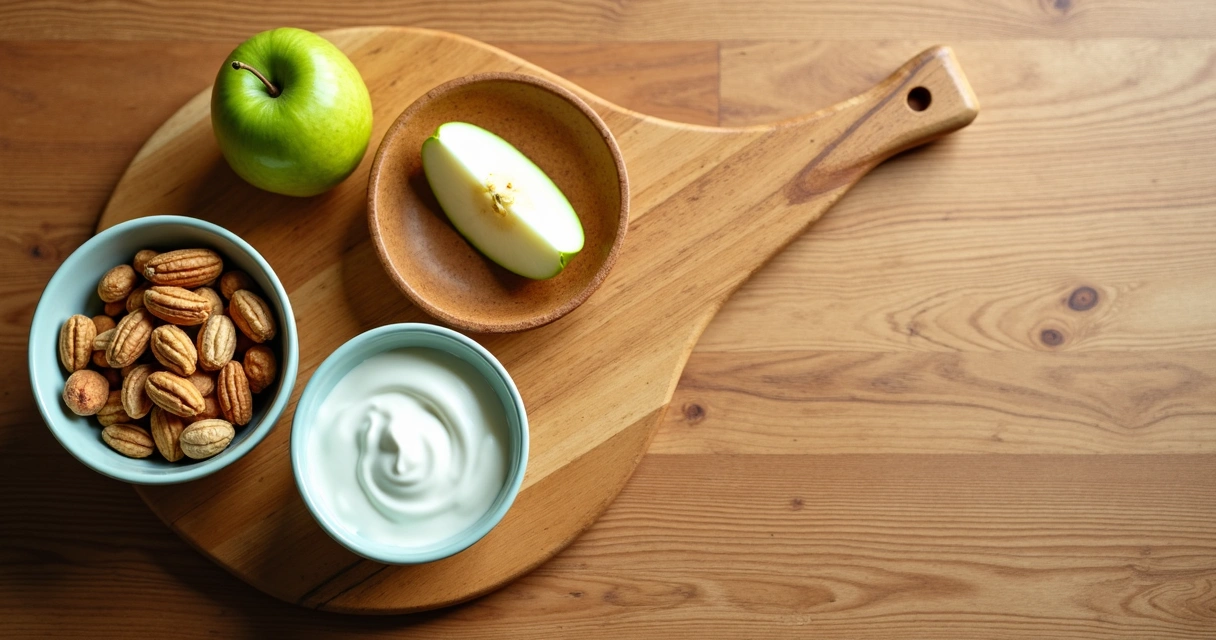
As an example, I find that a handful of mixed nuts is much more satisfying than crackers or chips—even though they have similar calorie counts.
Types of snacks that support weight loss
After a lot of trial and error, I created a list of my go-to snack choices that tick off all the boxes mentioned above. Here are some examples you might find helpful:
- Greek yogurt with berries (protein and fiber)
- Carrot or cucumber sticks with hummus (fiber and healthy fat)
- Sliced apple or banana with a tablespoon of nut butter (fiber and healthy fat)
- Boiled eggs (protein and healthy fat)
- Cottage cheese with pineapple or cherry tomatoes (protein and flavor)
- Small portion of almonds or walnuts (healthy fat and protein)
- Air-popped popcorn (fiber and whole grain, if unsweetened and unbuttered)
- Sliced turkey breast roll-ups (lean protein)
Choosing snacks like these can give you steady energy and make it easier to avoid high-calorie temptations later in the day. I like to rotate these so I don’t get bored, and I prepare them in advance when possible. That way, I’m not caught off guard by hunger or cravings.
How to spot snacks that might sabotage your weight loss
Sometimes I used to think a snack was “healthy” just because the packaging had words like “natural,” “light,” or “low-fat.” But many of these options include hidden sugars, extra salt, or empty calories. Over time, I taught myself to spot signs that a snack may not be as good for my goals as I hoped.
Here are the red flags I look for:
- Long list of ingredients, especially things I can’t easily recognize
- High amounts of added sugar or artificial sweeteners
- Trans fats or hydrogenated oils in the ingredients
- Very low in protein or fiber
- “100 calorie” snack packs of sweets or chips—these rarely keep me full
If it comes in a shiny bag and the first ingredient is sugar, I put it back.
In my experience, fresh foods from the fridge or fruit bowl beat packaged snacks almost every time.
How to prepare snacks ahead of time
One of the biggest lessons I learned is this: if I don’t prep, I will grab what’s fastest, not what’s best. Preparing snacks in advance might seem like extra effort early on, but it quickly became a routine I relied on.
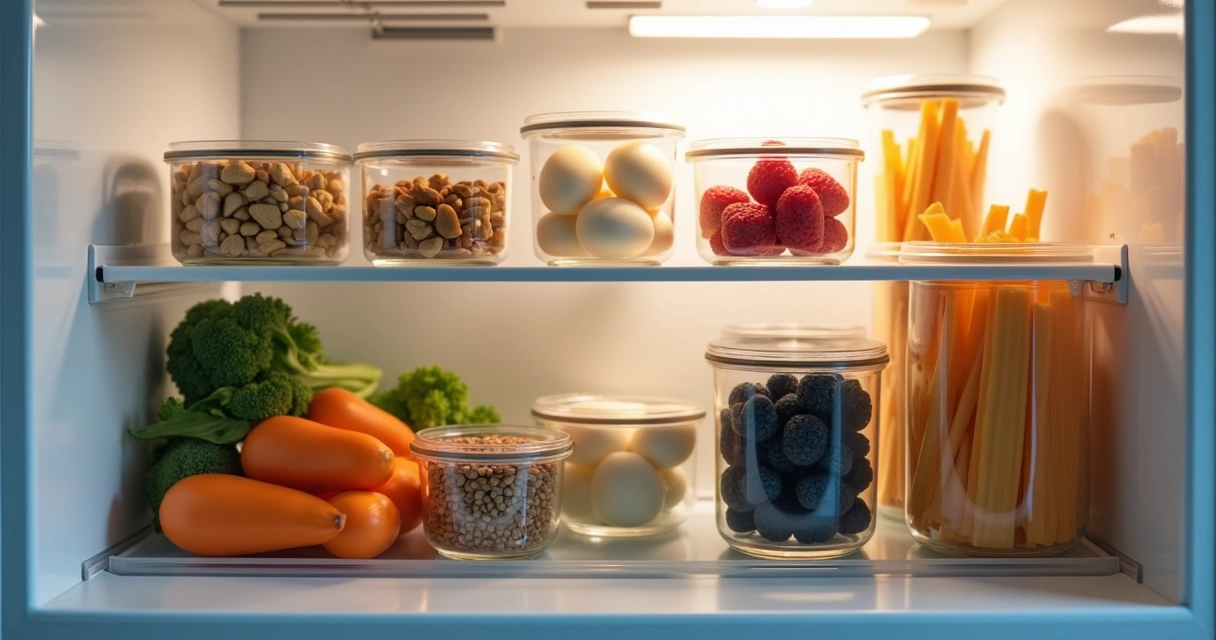
Here are a few tricks I use for snack prep:
- Wash and chop veggies ahead of time, then divide into small containers
- Measure individual nut portions into snack bags
- Keep Greek yogurt and cottage cheese in single-serve cups
- Boil eggs once a week, peel, and store in the fridge for grab-and-go protein
This all makes it much less tempting to reach for things I know won’t help me.
Understanding portion size
Something I struggled with for a while was losing sight of how much I was eating, even of things considered “healthy.” Nuts, dried fruit, and even hummus can be calorie-dense if eaten without awareness. I learned to use small bowls, pre-measured packs, or even just my hand as a guideline.
A true snack should satisfy your hunger—not replace a meal or act as endless background nibbling. I try to slow down, put my snack on a plate, and pay attention to when I start to feel satisfied rather than stuffed.
Dealing with cravings and emotional eating
No matter how carefully I plan my snacks, there are still moments when cravings hit hard. That’s normal. I ask myself if I’m trying to feed an emotion rather than real hunger. Sometimes I switch activities, drink a glass of water, or step outside for a few minutes. If I’m truly hungry, I pick a snack from my “safe list”—not something I’ll regret after.
All it takes is a pause and a question: Will this help me feel good right now and later?
The snack decision formula
Here’s a quick way I decide if a snack supports my weight loss:
- Does it include protein and/or fiber?
- Is it low in sugar and refined carbs?
- Can I eat it in a portion I can see and control?
- Will it help me feel satisfied until my next meal?
I keep these questions in the back of my mind whenever I’m looking for something to eat between meals. Over time, it has helped me turn smart snacking into a habit, not a battle.
Final thoughts: choosing snacks you enjoy and trust
No snack is perfect for everyone. The best option is one that works for your tastes, daily routine, and health goals. When I started making thoughtful choices and letting go of guilt or pressure to be perfect, I saw the real benefit. Snacks became an ally instead of a source of stress.
When you choose snacks with purpose, you set yourself up for steady progress, more energy, and a better chance to reach your weight loss goals. And each good choice adds up over time.