Anúncios
I won’t lie: I used to chalk my nervousness up to being “just tired” or “wired from coffee,” not realizing I was feeding my own anxiety with really ordinary routines. We all have habits that seem harmless in the moment, but they gnaw away at our peace of mind. When I started looking a bit closer, I found some of these daily patterns quietly pushing my anxiety a notch higher every time. Chances are, some of these will sound familiar.
1. Checking your phone first thing in the morning
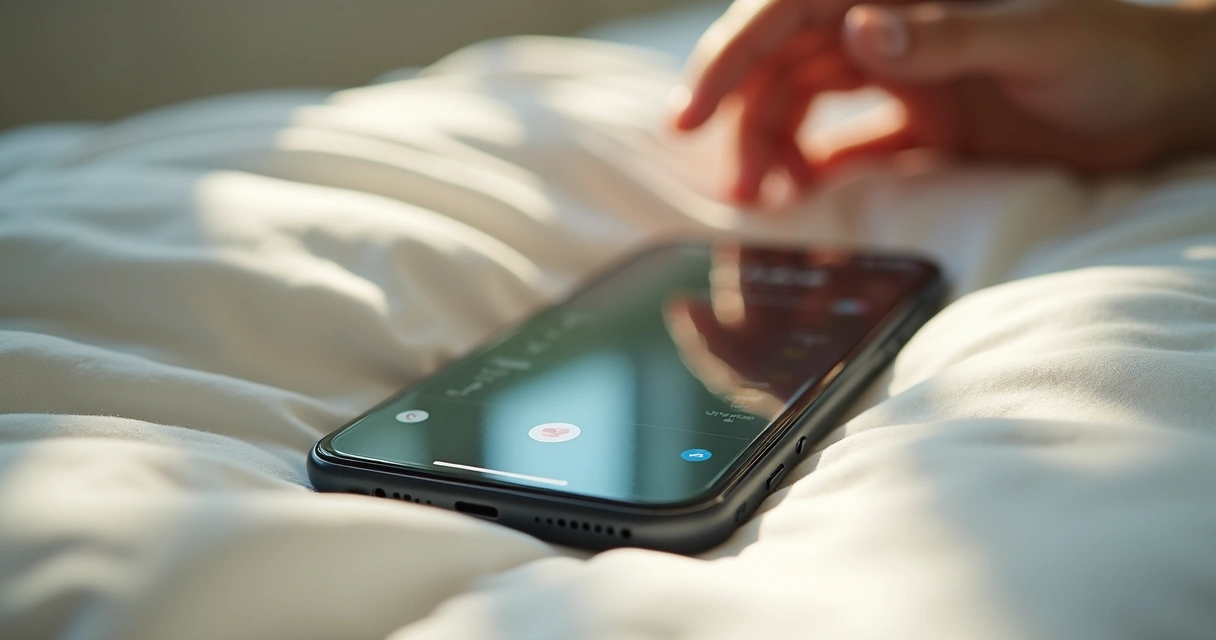
For so long, I started my day by reaching for my phone. It wasn’t even a decision, more like a reflex. Email, group chats, the latest news—instantly, my mind was in a flurry of reactions before I’d even stretched properly in bed.
- Immediate exposure to stressful news can prime your brain for worry.
- Messages and apps compete for your attention, creating a sense of urgency before you even have your morning coffee.
I’d catch myself feeling rushed or anxious, even if nothing urgent popped up on my screen. When you start your day this way, you give up your calm before your feet hit the floor. Simple as that. Over time, I switched to waiting at least ten minutes before looking at my screen. It didn’t erase anxiety, but my mornings softened up a little.
Anúncios
 2. Doomscrolling and constant news updates
There’s this word now—doomscrolling means getting stuck scrolling through negative news and stories for long periods, even when it upsets you. It’s sneaky. I can get pulled into news updates, political drama, or even wild rumor threads. On some days, time would slip by with nothing but a rising tension in my chest.
It’s hard to feel safe when you fill your mind with distant disasters.
I had to learn to limit my news time. Turning off notifications or setting clear times to read the news worked better than telling myself, “Just five more minutes.” It’s not always easy—I still slip, but being aware helps.
Anúncios
3. Skipping meals or relying on caffeine
It sounds so daily it almost doesn’t count, right? Except when I dove into my own habits, I noticed how skipping breakfast or lunches led to shaky hands and a racing heart. I’d try to fix it with yet another coffee, thinking I was just low on energy, not realizing I was poking my own anxiety button.
- Blood sugar swings cause physical symptoms that mirror anxiety.
- Too much caffeine makes jitters worse and raises your baseline stress.
A well-fed body is a steadier body; neglecting food keeps your stress dial turned up. In my experience, a snack or proper meal can sometimes feel like a reset button for my mood. There’s no need for perfection here, just enough consistency to let your nervous system catch its breath.
 4. Not moving your body during the day
If work or study puts you at a desk for hours (which, honestly, is where I spend more time than I’d like to admit), your mind starts turning in on itself. Movement breaks the cycle. I resisted believing this until I tried a week of setting a phone timer just to stand and stretch every hour or so.
- Sitting still too long leads to stiff muscles, shallow breathing, and restless minds.
- Even two minutes of walking or stretching can shift anxious energy.
Sometimes the answer is really that physical. The mind and body don’t work in separate boxes; the ache in your shoulders creeps into your thoughts, making them tense, too. Now, whenever anxiety creeps in for no obvious reason, I ask myself when I last moved. Half the time, the answer is: far too long ago.
5. Overbooking yourself with plans or commitments
I used to wear “being busy” like a badge. If someone asked if I could help out, grab coffee, run an errand? Of course! My calendar filled up, and inside, a low-grade panic followed me from appointment to appointment. It never felt like I could really breathe.
- Too many commitments make you feel out of control, leading to anxious thoughts about letting others down.
- Downtime gets squeezed out, so you never catch up with yourself.
Learning to say “no,” or even just “maybe, I’ll see how my week goes,” changed things for me. At first, guilt followed, but it faded when I saw how much calmer I felt. Protecting your time is a quiet kind of self-care, even if it feels awkward at first.
 6. Avoiding difficult tasks or conversations
I’ll admit that procrastination was my closest companion for years. If a task seemed uncomfortable—sending an email with awkward news, or making a call I dreaded—I’d shuffle it to the very bottom of the list. Oddly, this didn’t make me feel better. Instead, the undone thing lurked at the edge of my mind, quietly raising my stress level.
- Putting off tricky jobs keeps your mind on high alert, waiting for the other shoe to drop.
- Small worries about a delayed task add up, even if you’re not thinking about them directly.
When you face tasks head-on, the anxiety peak is usually short, but avoidance drags it out indefinitely. I started tackling one uncomfortable task each morning—just one. The relief that followed was bigger than I expected. Even now, the hardest thing on my to-do list is usually the first I try to finish.
7. Not getting enough rest or quality sleep
I have battled sleep. There were nights full of tossing, or scrolling late into the darkness, as if more content would wear me out. More often than not, I woke up heavy-eyed, brain fog swirling, and my anxiety closer to the surface. It’s quite simple—our bodies can’t reset if they never rest.
- Lack of sleep heightens your stress response, making everyday problems feel overwhelming.
- Poor sleep keeps your nervous system a step away from panic all day.
Consistent sleep is like giving your mind a gentle reboot each night. I found a bedtime routine that works for me (it changes with the seasons), but mostly, putting my phone away earlier and reading a few pages of a book helps ease the switch from day to night. Sleep may not solve everything, but it does make anxiety feel more manageable by morning.
Sometimes, it really is the little things
Maybe you’ll notice, like I did, that anxiety doesn’t always come from major life changes or crises. It often slips in through tiny daily habits. That’s both comforting and, in a way, daunting—it means there’s room for small choices to help. If nothing else, I hope something here sparks a bit of gentle curiosity about your own routines. You never know what you might find if you look a little closer.
Frequently asked questions
What everyday habits can cause anxiety?
- Checking your phone or news updates as soon as you wake up, skipping meals, relying on caffeine, staying glued to screens, overbooking your calendar, avoiding tough conversations, and getting too little rest are all habits I’ve seen quietly ramp up anxiety levels.
- Small, repeated actions like these often impact stress even when they seem harmless.
How to identify anxiety-raising habits?
Notice which activities regularly leave you feeling tense, drained, or worried afterward. I try to track my mood after certain routines and look out for patterns—like feeling wound up after scrolling news, or more irritable on days when I skip lunch. Sometimes it helps to write things down for a few days just to see what stands out.
Can social media increase daily anxiety?
Yes, regular social media use can raise anxiety, especially if you find yourself comparing your life to others or reading upsetting news and comments frequently. In my experience, taking breaks or setting app time limits makes my days feel lighter and leaves less room for comparison traps or sudden spikes in stress from endless online debates.
Does lack of sleep make anxiety worse?
Definitely—insufficient sleep leaves your nervous system jumpy and takes away your ability to handle little stresses. On nights when I get good sleep, the next day’s challenges just feel easier. When I’m tired, everything gets magnified. So, yes, sleep matters a lot.
How can I reduce anxiety every day?
- Give yourself screen-free time in the morning and before bed
- Eat meals regularly, don’t overdo the coffee
- Get up and move, even briefly, during the day
- Simplify your schedule as much as possible
- Try facing one hard task each day to avoid it lingering
- Keep a steady sleep routine—whatever that looks like for you
Little adjustments to your daily habits add up, even if it takes some time to notice the difference.