Anúncios
It may sound like science fiction, but this is fast becoming real thanks to 3D printing technology in construction. Over recent years, this innovation has gone from a technological curiosity to a transformative force reshaping how homes are designed, built, and lived in.
From entire 3D-printed neighborhoods in Mexico to pilot projects across the U.S., Europe, and Africa, we are witnessing a radical shift in how we create and inhabit living spaces.
⏱️ From design to structure: homes printed in just 24 hours
When people think of 3D printing, they often picture small plastic parts, toys, or prototypes. But did you know it’s now possible to build a whole house in under 24 hours using this technology?
Anúncios
This breakthrough relies on massive printers—robotic arms programmed to deposit layer upon layer of a cement-like material. It works much like piping frosting on a cake, but on the scale of a building.
These machines follow architectural designs encoded in software, precisely creating walls, supports, and even plumbing conduits—printing continuously with millimeter accuracy.
Anúncios
🌍 Real-world examples: from Mexico to the United States
One standout project is led by the nonprofit New Story in Mexico, in partnership with tech company ICON. They constructed the world’s first fully 3D-printed community, where each 46 m² house was printed in under 24 hours (non-consecutively), and came with all essential rooms: bedroom, bathroom, kitchen, and living area.
In the United States, startups like ICON, Mighty Buildings, and SQ4D are printing homes in states like Texas and California. Some of these structures have even been legally sold on the real estate market—a milestone for global tech adoption.
💡 How does 3D printing in construction actually work?
Unlike traditional building, which requires bricks, cement, wood, nails, and many laborers, 3D-printed buildings follow an automated, efficient process:
-
Digital Modeling: Architects create the house in CAD software with structural specifications.
-
Robot Translation: The digital file is sent to the printer, translating instructions layer by layer.
-
Printing Phase: The robotic arm extrudes a special concrete-like material in precise paths, forming walls and structural supports.
-
Finishing Touches: Workers then install windows, doors, plumbing, and electrical wiring.
🌱 Sustainability by design
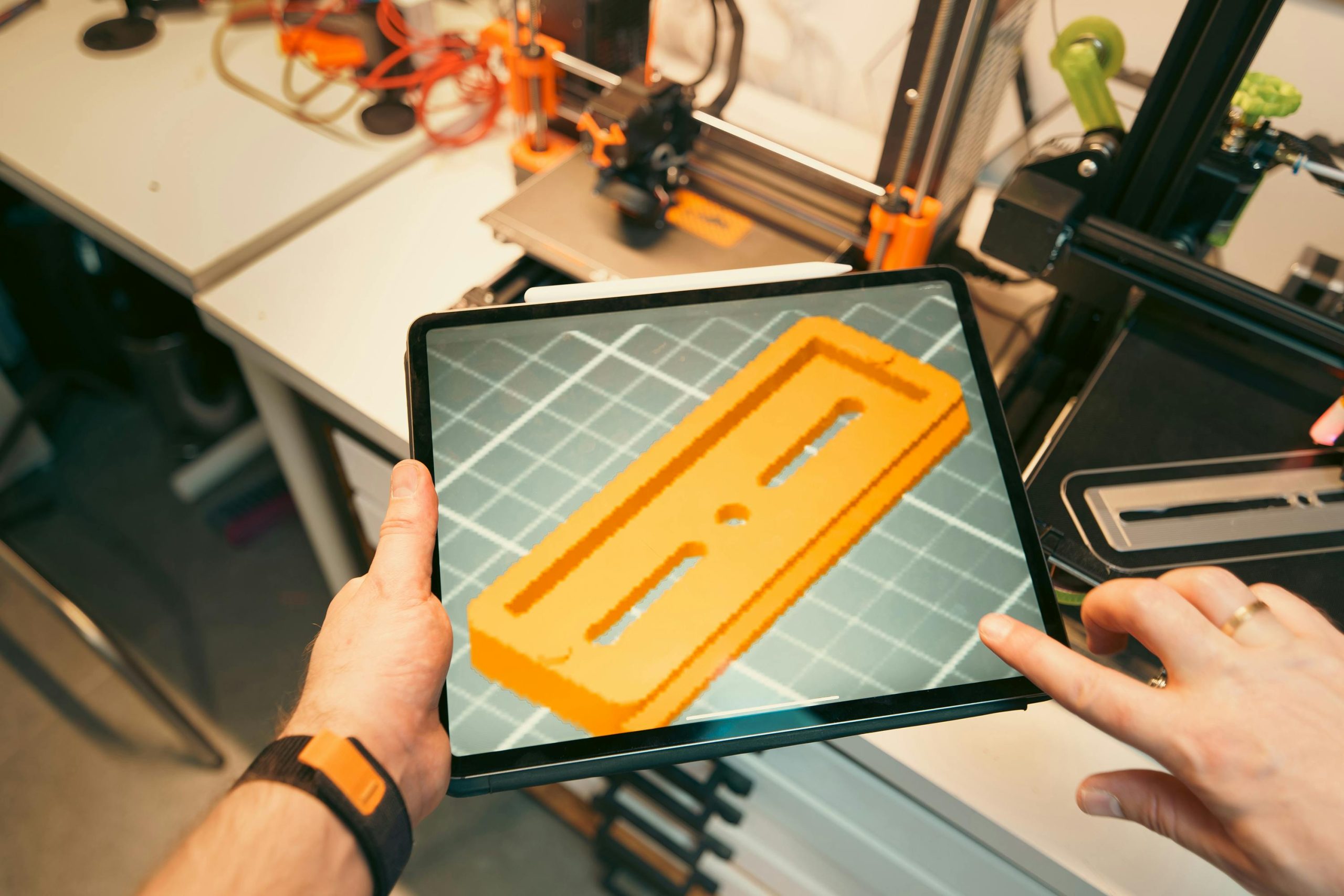
3D construction isn’t just fast—it’s inherently sustainable. Here’s why:
-
Minimal material waste: The printer uses just what’s necessary—no excess brick or timber.
-
Lower CO₂ emissions: Less material transport and fewer onsite emissions.
-
Reduced energy use: Shorter build times cut down on generator use and lighting.
-
Eco-friendly materials: Some projects even use recycled composites, clay, or natural fibers.
In an industry responsible for significant global emissions, this shift toward cleaner, greener construction is a powerful step forward.
🏠 Enabling affordable housing on a large scale
Perhaps the most inspiring aspect of 3D-printed homes is the potential to provide dignified housing to those in need. In communities facing housing crises, the ability to print homes quickly, affordably, and safely is revolutionary.
Governments, NGOs, and startups are seeing 3D construction as a pathway to address homelessness and shelter shortages. With lower costs in materials and labor, home prices can drop by 30–40%, making shelter accessible to people who previously couldn’t afford it.
💰 What does a 3D-printed house cost?
Cost varies by region, size, and finishes, but typical ranges include:
-
Basic 40–50 m² homes: USD 4,000 to USD 10,000
-
Larger homes up to 3 bedrooms: up to USD 50,000—still well below conventional construction prices
Despite savings, these houses remain durable, thermally efficient, and low-maintenance, offering long-term value to homeowners.
👷 What about labor and human roles?
It’s important to note: 3D printing doesn’t eliminate jobs—it transforms them. Skilled roles now include:
-
Technicians programming and operating printers
-
Architects optimizing designs for 3D workflows
-
Craftspeople completing electrical, plumbing, and final touches
-
Logistics teams managing equipment and material supply
This shift elevates workers into more strategic, creative, and safer positions on the construction team.
🔐 Built to last: durability & resilience
Wondering about sturdiness? These homes are built to last—often outperforming traditional structures:
-
Designed to withstand moderate earthquakes
-
Excellent thermal and acoustic insulation
-
Thicker walls and robust materials reduce wear
-
Minimal ongoing maintenance required
These homes are more than cheap—they offer long-term living quality.
🌐 Could entire cities be 3D-printed?
What seems futuristic today may become standard tomorrow. Innovators are already exploring the possibility of printing entire neighborhoods, low-cost housing complexes, and emergency shelters in disaster zones.
Picture a world where cities can be rebuilt in days after catastrophic events—or where low-cost housing can be deployed to vulnerable areas within 24 hours.
Some countries—including Saudi Arabia—are planning futuristic cities and studying 3D construction as a core building method.
🤖 3D printing meets artificial intelligence: the next leap
Looking ahead, the integration of artificial intelligence promises further innovations:
-
AI optimizing architectural layouts instantly
-
Real-time structural error correction during printing
-
Material selection tailored to each climate and soil condition
-
Continuous learning systems that refine each print with collective experience
This leads to mass customization—where every home can be uniquely tailored without increasing build costs.
✨ Conclusion: Not just a concept—it’s the future of homes
3D construction is no longer a tech demo—it’s a working solution already in use across the globe. It offers faster builds, less environmental impact, and affordable housing for people who most need it.
In a rapidly urbanizing world facing climate change, population growth, and economic constraints, building homes in 24 hours could become a powerful antidote to crises. And what’s incredible is: we’re just at the beginning of this revolution.