Anúncios
Think you choose what you watch? The algorithm might have decided for you before you even realized it. Behind every recommended video, every tempting thumbnail, lies an invisible and relentless mechanism: YouTube’s recommendation algorithm, one of the most powerful artificial intelligences in the digital world. And the most impressive part? It never stops learning — or watching you.
🧠 The Machine That Thinks (and Knows You Better Than You Do)
The YouTube algorithm is essentially a constantly evolving artificial intelligence system. It analyzes data in real time to personalize video suggestions based on:
-
What you’ve watched
-
How long you watched
-
What you skipped
-
What you paused
-
What you liked or commented on
-
And even how you probably felt (based on behavior)
It’s as if the platform is trying to read your mood, emotions, and habits, anticipating what you want to see before you’re even aware of it.
Anúncios
🔍 The Endless Experiment: Slight Variations of You
Here’s a fascinating fact: YouTube constantly tests hundreds of micro-variants of the recommendation feed. Without realizing it, you’re being presented with slightly different video sequences to see which version keeps you watching longer.
It’s as though the platform is running thousands of small experiments simultaneously, using you (and billions of other users) as a live testing ground. All of this, with one goal: to keep you watching.
Anúncios
📈 How YouTube “Decides” What You’ll Like
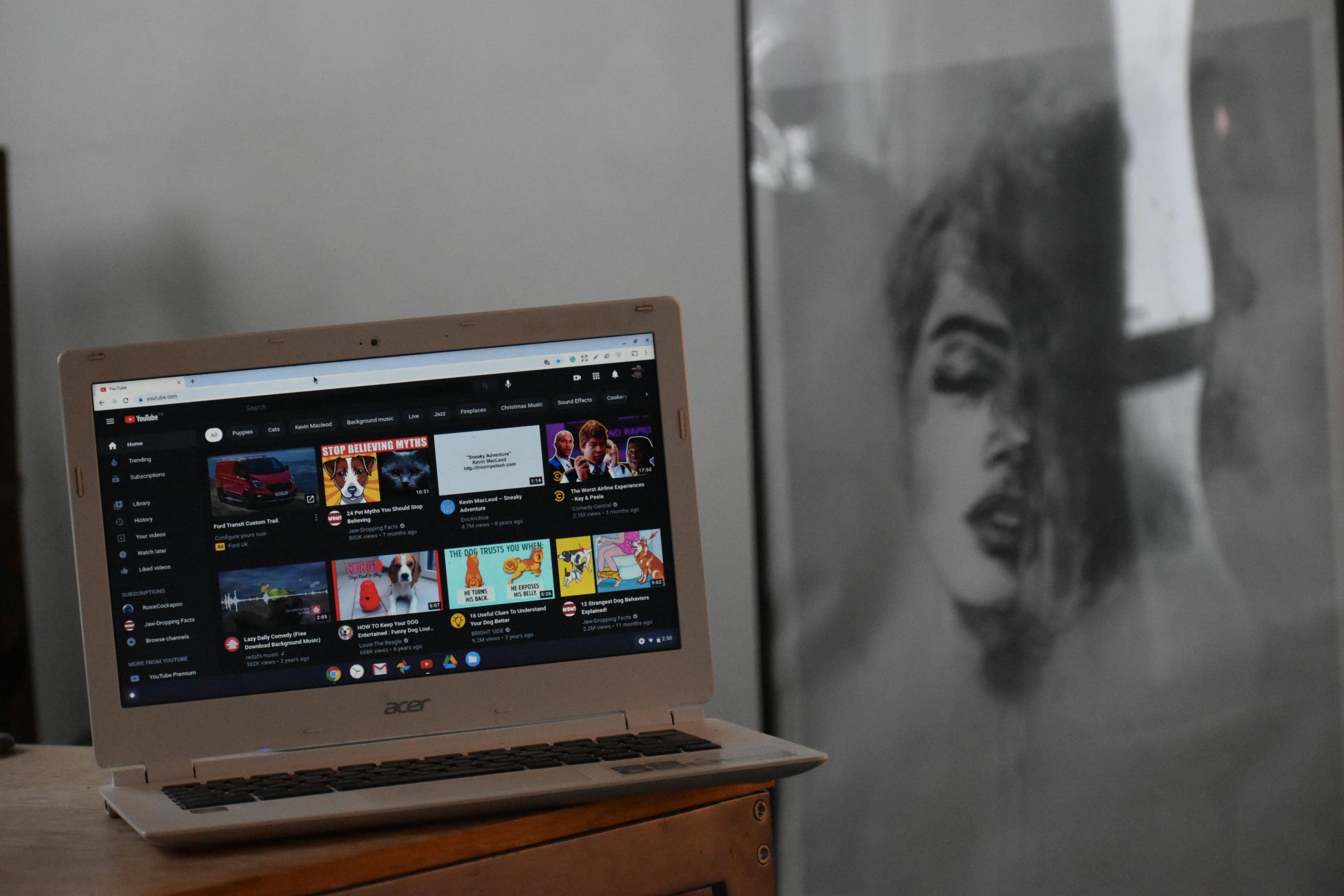
While YouTube doesn’t disclose every detail of its algorithm, experts understand key elements behind its logic:
-
Deep Learning with Neural Networks
YouTube uses deep neural networks that simulate how the human brain works. These systems can recognize complex patterns and detect subtle changes in your viewing behavior. -
Real-Time Adaptive Learning
The algorithm doesn’t just learn — it adapts instantly. Watch two cooking videos in a row? Expect a feed full of recipes within minutes. -
Predictive Modeling Based on Similar Profiles
YouTube compares your behavior to that of similar users. If millions of people who watch the same content as you enjoyed a specific video, the algorithm figures you’ll probably like it too.
🤔 Why This Matters
This almost psychic ability to predict preferences raises both practical and philosophical questions.
-
Are we truly choosing what we watch?
-
Or are we being subtly guided by a system that understands our cognitive patterns better than we do?
There’s no evil mastermind behind it — the algorithm was built to maximize watch time and engagement, which drives revenue. But the implications go far beyond entertainment.
🌀 The Invisible Bubble: How the Algorithm Shapes Your Worldview
Over time, the algorithm starts feeding you more of what you already like, reinforcing your interests and behaviors. That might seem harmless — until it affects sensitive areas like:
-
Politics
-
Health
-
Religion
-
Social values
Watch two or three conspiracy-leaning videos? Suddenly, your home page becomes a hub of similar content. Not because it’s true or balanced, but because it keeps you watching.
🌍 The Global Impact: Billions of Personal YouTubes
With over 2 billion monthly active users, YouTube has become a kind of personalized global mirror. Each person sees a different version of the platform, uniquely tailored to their actions.
It’s as if every user lives in a parallel digital universe, where content is curated just for them. Fascinating? Absolutely. But it also creates a false sense of consensus — you may feel like “everyone thinks like this,” when in reality, it’s just your feed echoing back your perspective.
💡 The Bright Side: Discovery and Serendipity
Not everything is negative. The algorithm can also help you discover amazing, enriching content you might never find on your own:
-
An indie music channel from another country
-
A neuroscience lecture that shifts your mindset
-
A cooking tip that saves your dinner
This “programmed serendipity” is one of YouTube’s greatest strengths: the power to connect people with content, ideas, and creators from around the world.
⏳ The Dopamine Trap of Infinite Scroll
But there’s a flip side: the dopamine-driven attention loop. YouTube knows the longer you stay, the more money it makes. That’s why suggestions never end. The next video is already loading before the current one finishes — and it’s probably even more tempting.
This isn’t an accident. It’s intentional design, crafted to turn your attention into their most valuable commodity.
🛠️ How to Take Back Control
The good news? You still have some power. Here are a few tips to “train” the algorithm in your favor:
-
Clear your watch history regularly
-
Use Incognito Mode when exploring unfamiliar or sensitive topics
-
Engage consciously — like, skip, or remove recommendations to teach YouTube what you really want
-
Subscribe intentionally to creators you trust and value
Remember: the more passive you are, the more control the algorithm has.
⚖️ Algorithm Ethics: A Necessary Conversation
As recommendation systems gain influence over our time and thoughts, ethical questions grow louder:
-
Who’s accountable for harmful effects on mental health or society?
-
Should platforms be more transparent about how suggestions are generated?
-
How can we prevent echo chambers and polarization?
Platforms like YouTube have faced criticism for promoting extremist or misleading content, especially to users in vulnerable emotional or psychological states.
Transparency, regulation, and user education are now part of the conversation around ethical algorithm design.
🧬 What’s Next: Algorithms That React to Emotion
The future of recommendation engines goes beyond watch history and clicks. We’re entering a new era of context-aware and emotionally responsive algorithms, including:
-
Emotion tracking via facial recognition (with consent)
-
Video suggestions based on your mood
-
Feeds that adjust by time of day, location, or even heart rate
-
Personalized recommendations that evolve with your day
It may sound futuristic, but these systems are already being tested in experimental tech labs.
✨ Final Thoughts: A Mirror That Shapes as It Reflects
YouTube’s algorithm is one of the most sophisticated personalization tools ever created. It reflects our choices — but it also shapes them, often subtly and invisibly.
Understanding how it works is the first step toward using it wisely, rather than being used by it. Because if we don’t guide our digital experience, someone — or something — will guide it for us.